AI Writes the Call Notes. Agents Rewrite Them Anyway.

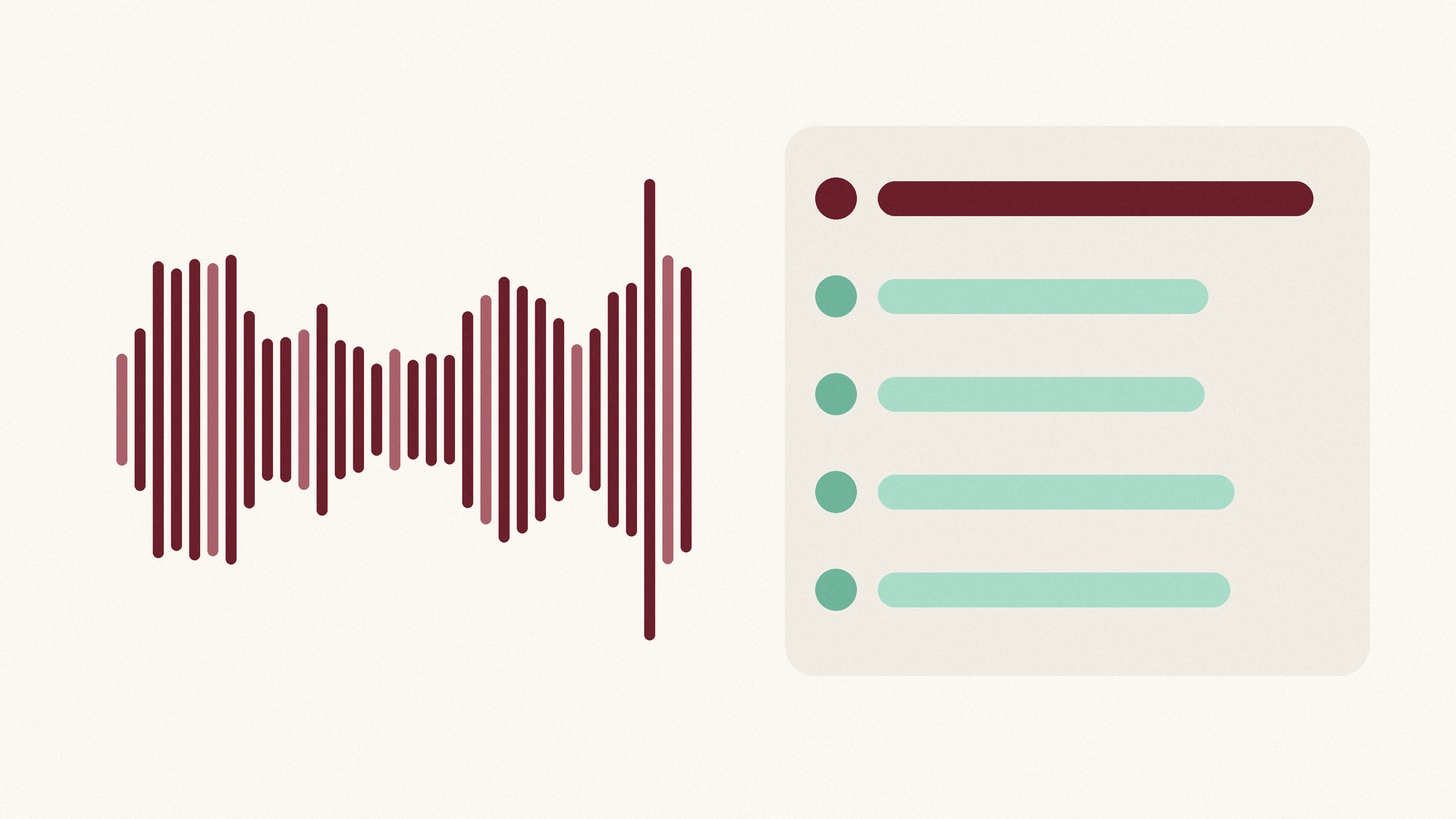


The dashboard says the AI call summaries are a hit. Nearly every call gets one, and they read beautifully. Then you look at after-call work at an Australian utility three months in, and it has barely moved. The model writes the note in seconds. The agent spends the next minute rewriting it.
Sit next to an agent for twenty minutes and you see why. The summary appears, the agent reads it, deletes half of it, retypes the account details into the right fields, picks the disposition code by hand, and adds the one line that actually matters for the next person who picks up the case. The AI did write the note. The agent still did the work.
This is one of the most common AI use cases in Australian enterprises right now, and one of the most quietly disappointing. Not because the models are bad at summarising, but because a summary is not the same thing as a usable record.
Most rollouts measure the wrong thing. They check whether a summary was produced and whether it reads fluently. Agents and team leaders judge it on a different test: can the next person act on this note without listening to the recording?
When summaries fail that test, it is usually for a handful of predictable reasons:
The single most useful metric for this use case is how much of the AI summary survives into the saved record. If you capture the draft the model produced and the note the agent finally saved, you can compare them. Track the share of summaries saved with no changes, light changes and heavy rewrites, and break it down by call type, team and queue.
That one measure tells you far more than a satisfaction survey. You will usually find the model is genuinely helpful on some call types, like simple billing questions or address changes, and close to useless on others, like complaints or multi-issue calls. That is not a failure. It is the map of where to invest next.
Pair it with the numbers the business actually cares about: after-call work per call type, repeat contact rate, and how often a second agent has to replay a recording because the note did not help. If the summary is working, those move. If they do not move, a high generation rate means nothing.
The teams that get real value tend to start in the same place. Before touching the model, they sit down with team leaders and quality assurance and agree what a good note contains for each major call type. Then they build the AI step around that.
Call summaries sit on top of recordings and transcripts, which means they inherit every obligation those already carry. Check that your call recording notice and privacy policy cover transcription and AI processing, that transcripts and drafts are retained and deleted on the same schedule as the recordings, and that you know where the transcription and summarisation actually run. A summary that ends up in a vendor's logs in another region is a data handling question your privacy team will want answered before go-live, not after.
Quality assurance teams also need a view. If notes become partly machine written, QA should be able to see which parts the agent confirmed and which were accepted as suggested. That matters when a complaint escalates and someone asks who wrote what.
At TruFyre we help Australian organisations move AI use cases like call summarisation from a promising demo to something agents genuinely rely on. That means designing the note around the workflow, integrating with the CRM properly, putting measurement in place from the start, and making sure privacy, retention and QA requirements are covered before the rollout grows.
If your contact centre has AI summaries switched on and after-call work has not budged, talk to us. The fix is rarely a better model. It is usually a better definition of what a good note looks like.