Your Platform Team Owns the Model Endpoint. Nobody Owns the Orchestration Layer.

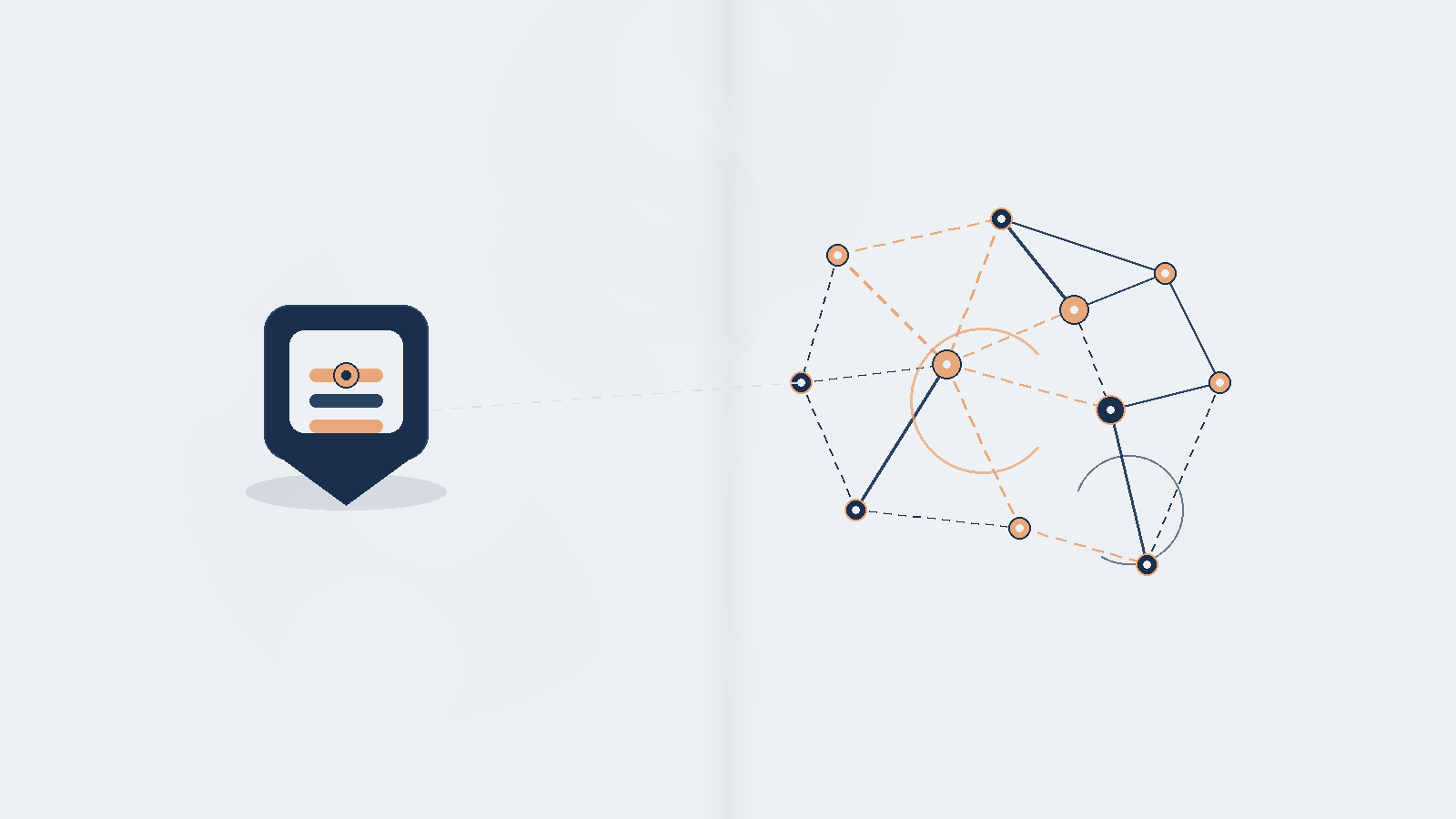


It is 9:14 on a Tuesday in a Sydney CBD tower. The platform lead opens the model gateway dashboard and sees green: auth tokens rotating, rate limits holding, cost tags landing in the right cost centre. Ten floors down, a claims product squad is staring at an agent that retried a tool call seventeen times, wrote a half-finished memory note, then escalated a customer case with the wrong jurisdiction flag. Platform says the model responded fine. Product says the endpoint was fine. Both are right. Nobody owns the layer in the middle.
Across Australian enterprises the model endpoint has become a proper platform asset. Orchestration has not. Planners, tool loops, retries, memory stores, eval hooks, and human-in-the-loop gates still get bolted on by whichever squad ships the first agent. When production drifts, the organisation has a clean RACI for the gateway and a blank page for the runtime that actually decides what the agent does.
Platform teams did the hard, visible work. They stood up a shared gateway with SSO, quota, logging, and spend attribution. They put model versions behind change control. They answered the board question: who owns AI infrastructure? That answer looks solid on a slide because it maps to familiar categories: network, identity, cost, observability.
From that vantage point, orchestration looks like application code. The product squad calls the endpoint, so the product squad owns whatever surrounds the call. That split worked for classic microservices. It fails for agents, because the interesting behaviour no longer lives in a deterministic handler. It lives in a loop that plans, calls tools, retries, remembers, and decides when to stop.
So the platform dashboard stays green while the agent quietly changes shape. New tools get attached in a vendor console. Retry policy moves from three attempts to thirty. A memory store starts retaining customer context the privacy review never saw. None of that shows up as a gateway incident.
Orchestration is not a fancy synonym for prompt engineering. It is the control plane around the model call:
If your organisation only has a named owner for the model URL, you do not yet own the system customers experience.
Consider a mid-market Australian insurer running a claims triage agent. Platform Engineering owns the model endpoint: Azure OpenAI behind an internal gateway, with Entra auth, per-team quotas, and FinOps tags. A product squad in Melbourne owns the triage experience. They wired an open-source agent framework to call tools against the claims core, document store, and a CRM note writer.
For three months the demo looked excellent. Latency was acceptable. Gateway error rates were low. Then a quiet change landed: the planner gained a second tool that could update reserve estimates, and the retry policy was loosened after a flaky CRM outage. Nobody filed a platform ticket because the endpoint contract did not change.
Two weeks later, operations noticed duplicate reserve adjustments and inconsistent escalation notes. Incident review split along familiar lines. Platform produced gateway logs showing successful completions. Product produced screenshots of the UI. The missing artefact was an ownership map for the orchestration layer: who approved the new tool, who owned retry semantics for money-moving side effects, and who was responsible for an eval that would have caught duplicate writes.
The model was fine. The endpoint was fine. The organisation had no named owner for the loop that bound them together.
When orchestration sits in a gap between platform and product, the same patterns repeat:
Regulated Australian environments feel this sharply. APRA-minded controls, privacy obligations, and AFCA-ready complaint handling all assume someone can explain what the system did and why. An ownership gap in orchestration turns that explanation into archaeology.
Good ownership does not mean platform builds every agent. It means the orchestration layer has a RACI as explicit as the gateway.
A workable split looks like this:
The key is the named owner. Committees are fine for policy. Production agents need a pager path for the loop, not only for the model host.
Write down the same things you already write for shared services: supported runtimes, required telemetry fields, approved tool-calling patterns, retention defaults, and a promotion path from sandbox to production. If a squad invents a one-off orchestrator for a high-risk journey, treat that as an exception with an expiry date, not as a quiet precedent.
You do not need a two-year platform rebuild. Start with clarity.
Telco, bank, and retail teams can run the same play. The domain tools differ. The ownership gap does not.
Model endpoints will keep looking healthy. That is the point of platform ownership. Orchestration is where agents become systems: planning, tools, retries, memory, and human judgement under load. If nobody owns that layer, production agents will drift while every dashboard you trust stays green.
If you want a clear ownership model for agent runtimes in Australian enterprise settings, talk to the team at https://trufyre.ai. Start with one agent, one RACI, and one contract for the loop. The gateway can stay boring. The orchestration layer should stop being nobody's problem.