Codegen Is the Easy Part. Australian Enterprises Need a Software Factory.



Most Australian enterprises experimenting with agentic AI start in the same place: a coding agent that opens a pull request. The demo lands. The board nods. Someone asks when the rest of the backlog will melt. Then reality arrives. Tickets still need triage. Tests still lie. Permissions still block the agent at the wrong moment. Knowledge from last week's win evaporates by Monday.
A coding agent is a useful worker. A software factory is an operating system for delivery. Confusing the two is how pilots stall and how spend rises without throughput.
Generating a patch has become cheap. Models are good at local diffs, scaffolding, and familiar refactors. That brilliance creates a misleading story: if agents can write code, the bottleneck must be gone.
It is not. The hard work sits around the code.
Treat codegen as one station on the line. If the rest of the line is missing, you have a talented contractor with no factory floor.
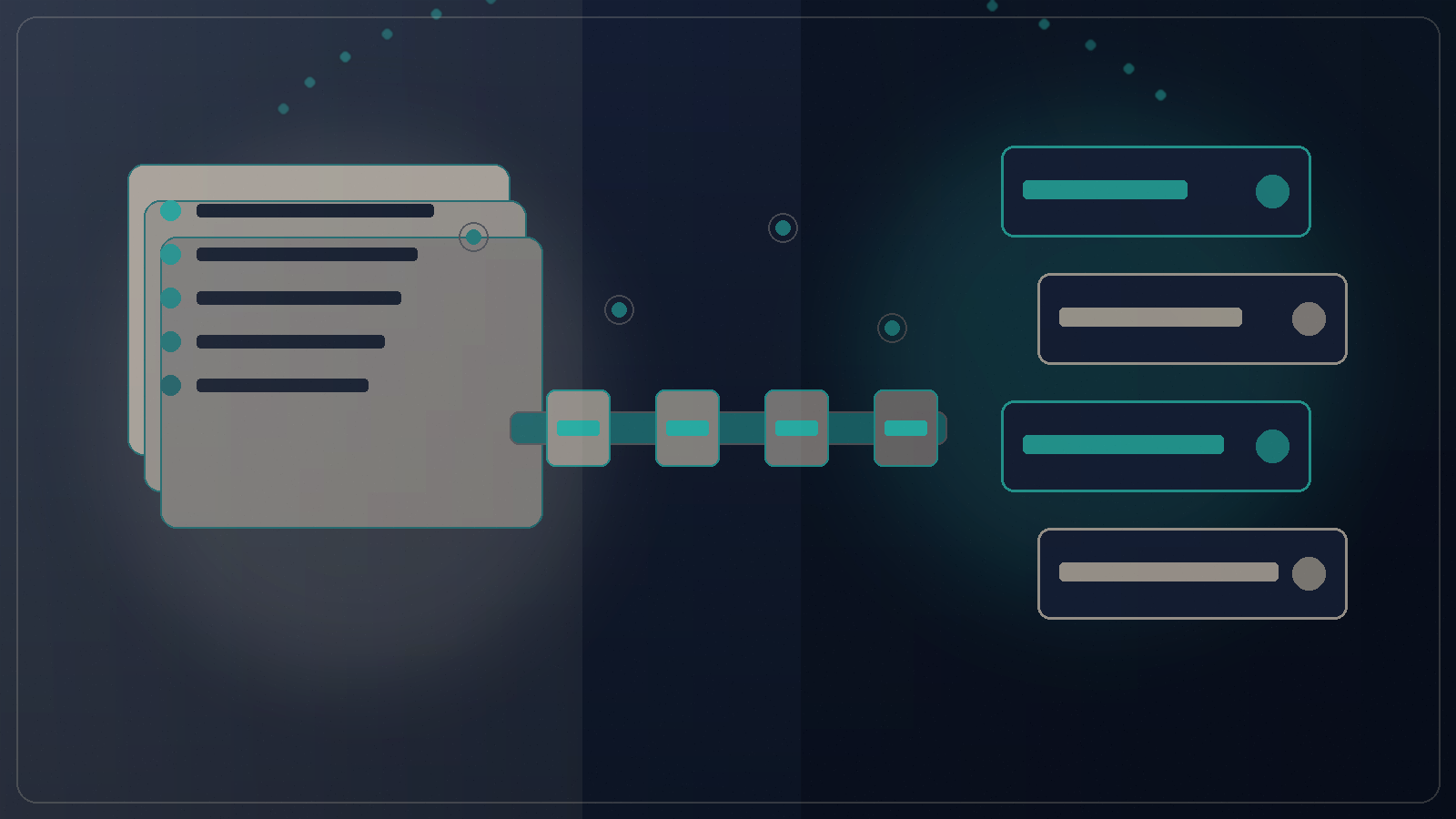
A software factory is a closed loop that turns organisational signal into shipped change and then into better future work.
That loop is model agnostic and tool agnostic on purpose. Enterprises already live in Slack threads, GitHub PRs, ServiceNow queues, and Azure or AWS pipelines. A factory that demands a greenfield stack will not survive procurement, let alone production.
Executives ask for autonomous delivery. Risk, security, and engineering ask for control. Both are right. Autonomy that cannot prove what it did, under which permission, against which acceptance bar, will be revoked the first time it embarrasses someone.
Trust is not a vibe. It is permissions, governance, and verifiable done criteria.
Australian enterprises already know this language from security and privacy programmes. Software factories inherit those disciplines. They do not replace them with a demo dashboard.
Vendors will sell you agents. Consultancies will sell you slides. Neither is a factory by itself.
A working factory is an organisational readiness problem as much as a technology one. Teams need shared definitions of done, data foundations that agents can safely read, integration patterns that survive change control, and owners who stay when the pilot team rotates.
Rebuild thinking helps. Ask which workflows are ready for agent labour, which systems are safe to touch, which knowledge is missing, and which governance gaps would make autonomy reckless. That readiness work is not a delay tactic. It is how you avoid twelve disconnected agents that cannot explain themselves to audit.
Give ten teams ten agents and you will see motion. Diffs appear. Tickets flip. Slack fills with status. Measured by activity, everything looks healthy. Measured by outcomes, you may have created a new class of operational debt.
Without orchestration, agents race the same backlog item, reopen closed work, or invent parallel implementations of the same fix. Without shared memory, every agent rediscovers last month's lesson. Without cost routing, the loudest workflow burns the dearest model on every retry. The organisation experiences the noise of acceleration and the substance of thrash.
Orchestration is not bureaucracy. It is the difference between a factory and a corridor full of unsupervised contractors. Australian enterprises that already run change advisory boards, release trains, and platform engineering know this instinct. Software factories extend it into agent labour.
TruFyre sits with Australian enterprises that want consulting grade thinking and engineering grade delivery. We design and build production systems, not theatre demos.
For software factories that means a discovery to build to launch path:
We work from Level 1, 60 Martin Place, Sydney, with APAC enterprises that need production outcomes under Australian regulatory and operating realities. Reach us at info@trufyre.ai or https://trufyre.ai.
Software factories are not agent swarms with a louder marketing word. They are the discipline that turns signals into shipped change and then into organisational learning. Codegen will keep getting easier. Verification, orchestration, trust, and continuous improvement will keep deciding who actually moves faster.
If your organisation has coding agents and still cannot close the loop from ticket to trusted release, you do not need another demo. You need a factory floor. TruFyre helps Australian enterprises build one.