Agents complement microservices; they do not replace them
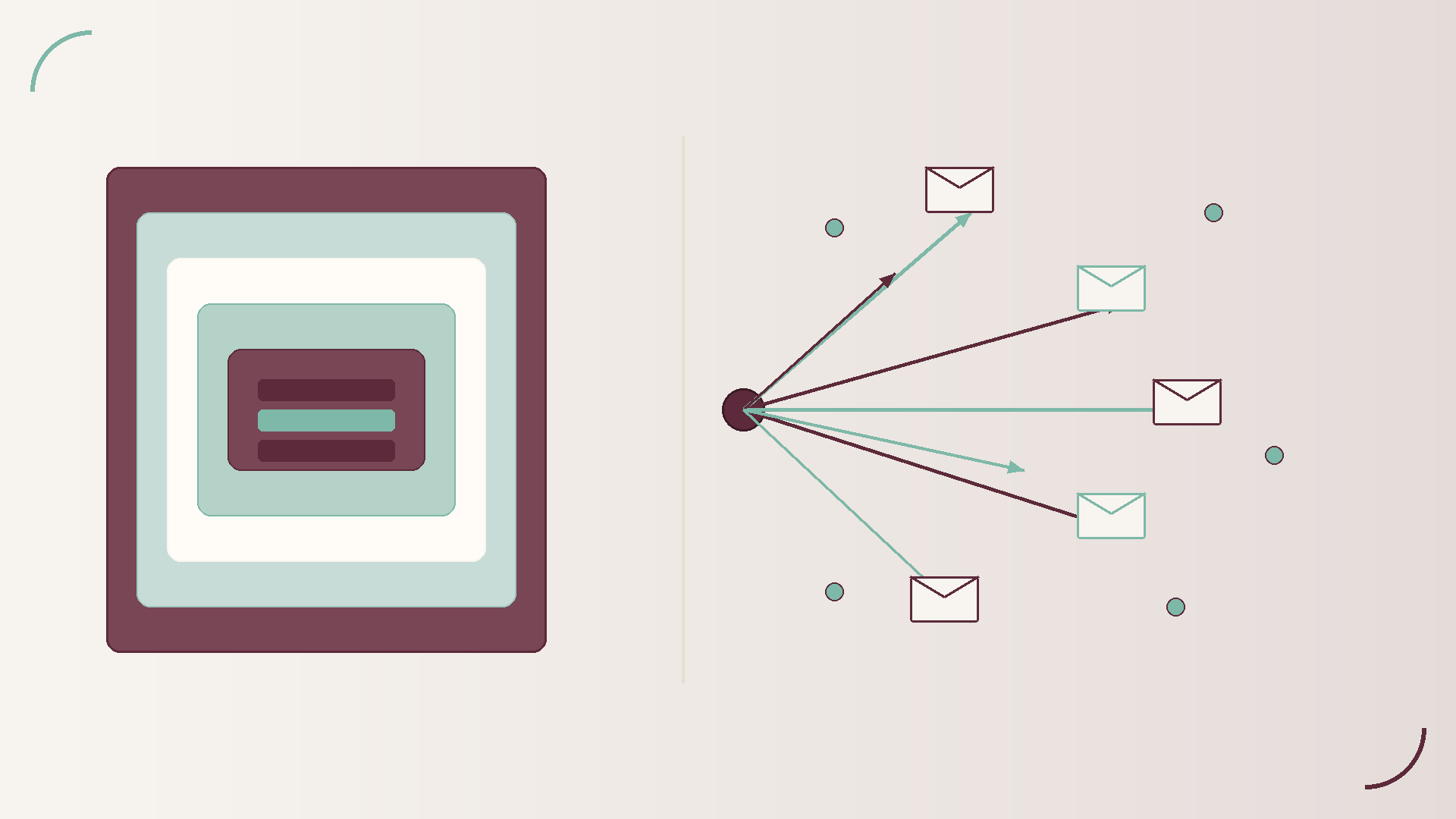
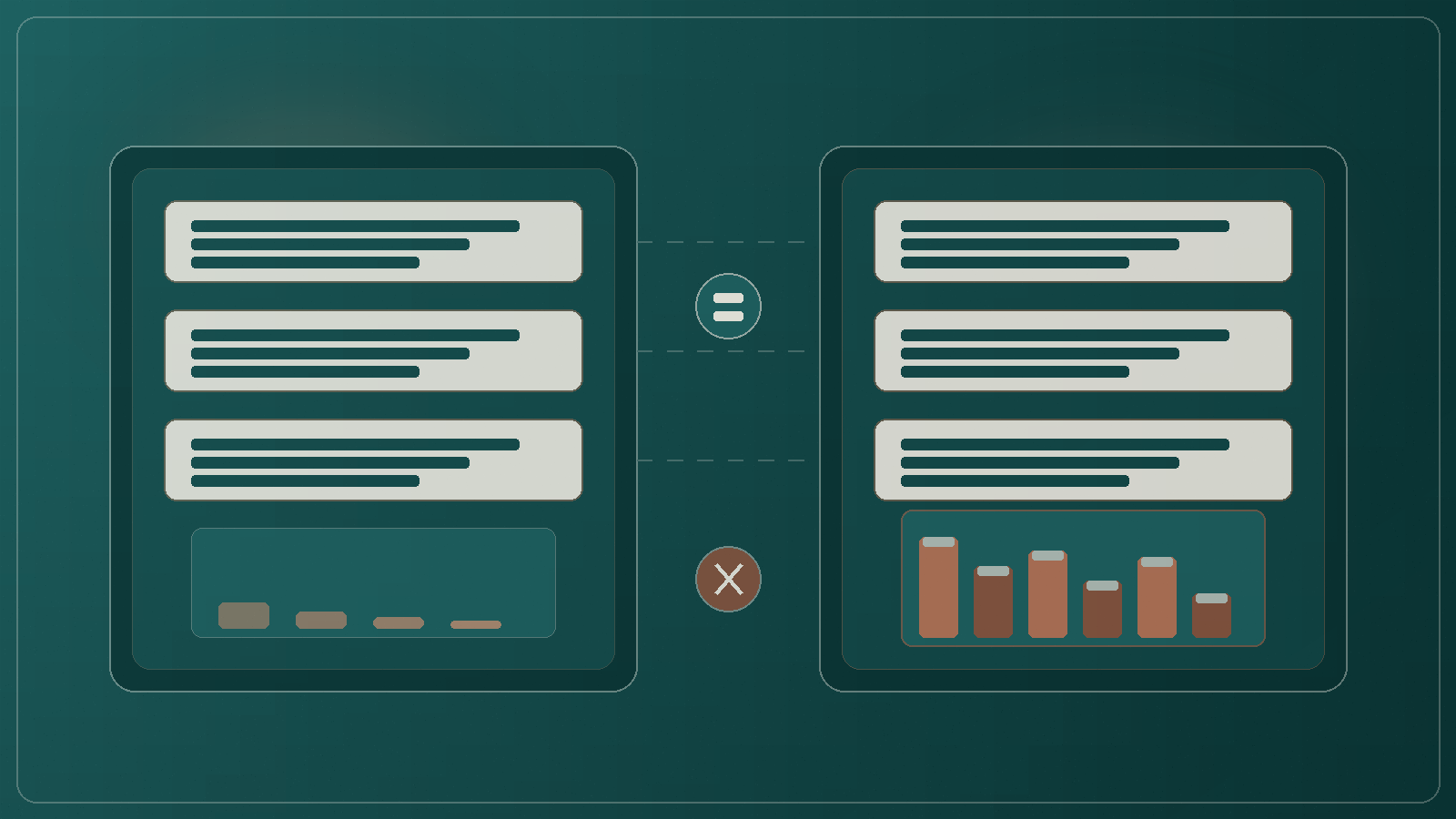
Enterprise architecture conversations increasingly pit microservices against AI agents, as if organisations must choose one paradigm. The reality is more nuanced: microservices provide reliable, bounded, transactional capabilities; AI agents orchestrate multi-step workflows across those capabilities.
For Australian enterprises modernising architecture for Enterprise AI, the question is not "microservices or agents?" but "where does each pattern add value, and how do they connect safely?"
What microservices still do best
- High-volume transactions: orders, payments, inventory
- Deterministic business rules: pricing, eligibility, tax
- Strict SLAs with predictable behaviour
- Regulatory audit trails with defined state transitions
What AI agents add
- Coordination across services for complex investigations
- Variable-structure tasks: research, summarisation, drafting
- Natural language interfaces to multiple backend systems
- Adaptive workflows within guardrails
Reference architecture: agents on top of microservices
- Microservices layer with well-documented domain APIs
- Integration gateway with authentication and audit logging
- Agent orchestration layer invoking tools mapped to APIs
- Knowledge layer for document retrieval and grounding
- Experience layer for user interaction
Design boundaries carefully
Define tool permissions, keep transactional integrity in microservices, and handle service failures gracefully with escalation paths.
When not to use agents
- Simple API calls do not need agent overhead
- High-frequency batch processing belongs in traditional automation
- Zero-tolerance regulated decisions need structured workflows
Key takeaways
- Microservices and AI agents serve different purposes; combine them.
- Agents orchestrate; microservices execute transactional work.
- Existing microservice investments remain valuable.
Rethinking enterprise architecture for the AI era means layering intelligent orchestration over reliable distributed systems.