Shadow AI Is Already in Your Business. Here's How to Bring It Under Control



Someone in your finance team pastes a supplier contract into a public chatbot. Someone in HR drops a CV pack into a free summariser. Someone in engineering pastes production logs into a coding assistant that trains on the prompt by default. None of this shows up in your AI programme. All of it is already AI in your business.
That is shadow AI: generative tools used outside approved channels, with no inventory, no data classification, and no owner when something goes wrong. Boards keep asking for an AI strategy. The quieter problem is that staff already have one, and it runs on personal accounts.
This piece is about bringing that activity into the light without turning into the team that bans everything and drives people underground again.
It is rarely a rogue agent fleet. It is ordinary work under pressure:
Each act feels harmless. Collectively they create three problems: data leaving the organisation without a record, answers nobody can audit, and a false sense that "we have not started AI yet" while the risk register is already open.
Blanket blocks feel decisive. They also fail for the same reason USB bans failed. People still need to finish the work. They route around the control with personal devices, browser extensions, and private SaaS trials.
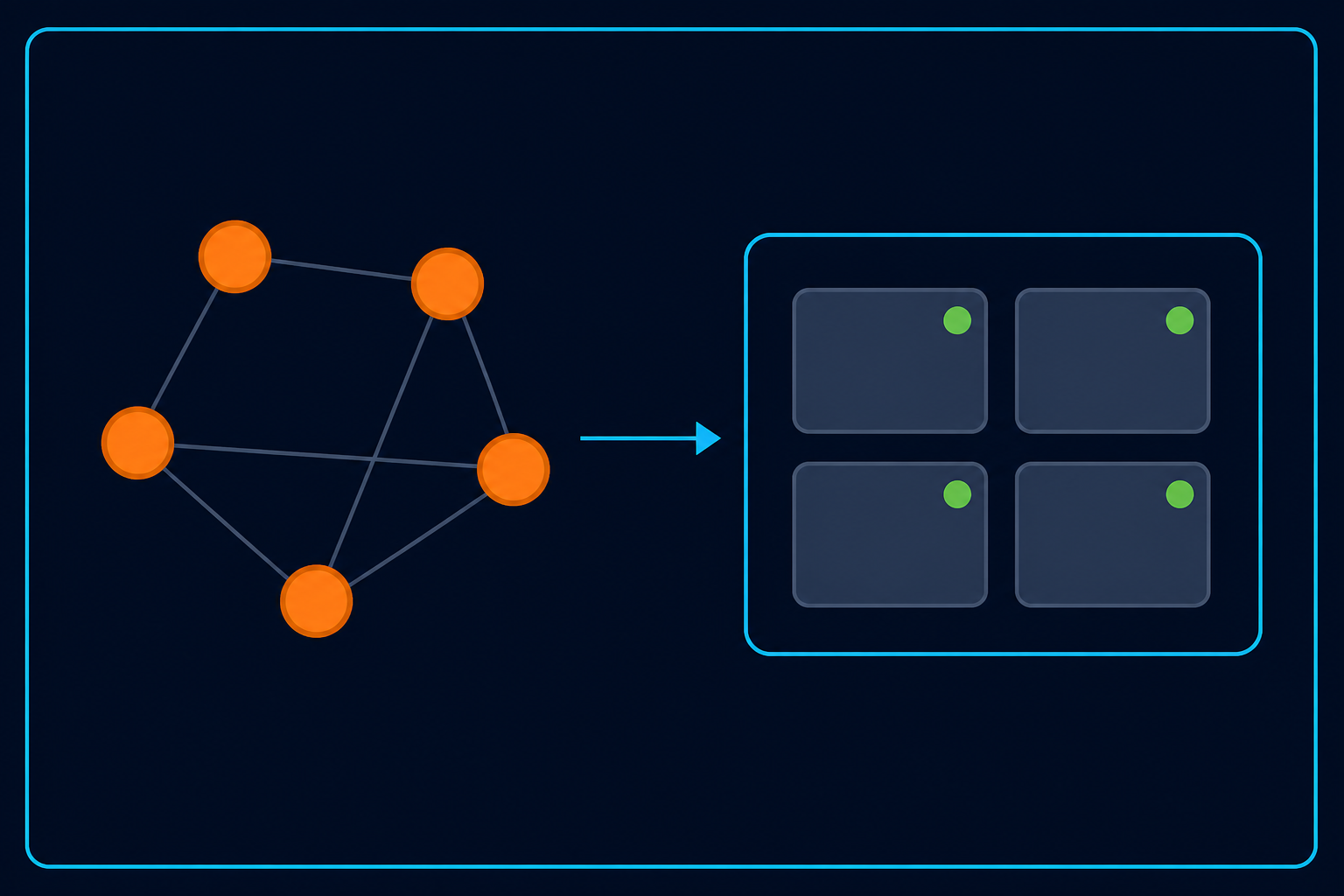
The organisations that get ahead treat shadow AI as a discovery signal. Staff are telling you where the friction is. The response is not "stop using AI". It is "here is an approved path that is faster than the shadow one, with clear rules for what can and cannot leave the building".
You do not need a 40-page policy before you start. You need four things that actually operate:
If you only do one thing this quarter, make the approved lane faster than the shadow lane. Policy without convenience is theatre.
A workable programme for an Australian mid-market or enterprise team usually lands like this:
By day 90 you should be able to answer three board questions without a scramble: which tools are sanctioned, what data they may process, and how you would reconstruct an incident.
Shadow AI risk is mostly ordinary data handling risk with a new interface. Treat it that way.
If your security team can explain the control in one paragraph to a non-technical manager, it will travel. If it only lives in a threat model, it will not.
People reach for shadow AI because the official process is slow, the templates are stale, or the approved tool cannot see the systems they need. Punishing that impulse teaches them to hide better.
Better signals:
Shadow AI shrinks when the governed path is the path of least resistance.
Shadow use is free product research. The prompts people invent are often the first draft of a production use case: proposal drafting, exception triage, meeting notes into actions, code explanation against your standards.
Capture those patterns. Rank them. Build the ones with a system of record, an owner, and a write path you already trust. That is how you turn unmanaged GenAI into the thin production slices we argued for in When Your AI Architecture Becomes a Liability, instead of another platform slide.
Governance that only says no will lose. Governance that offers a faster yes, with clear red lines, wins enough of the traffic to make the residual risk manageable.
Should we block all consumer AI tools at the firewall? Block the ones that routinely receive regulated or highly sensitive data if you have no contract and no logging. Do not pretend a hard block is the whole programme. Pair it with an approved alternative the same week, or staff will find another route.
Is an anonymous survey enough to find shadow AI? It is a start, not a finish. Combine it with SSO app inventories, expense reviews, browser extension reports, and manager conversations. Expect to miss tools. Plan for a monthly refresh.
What belongs in the "never paste" list? Anything you would not email to an unknown third party: customer PII, health and government identifiers, payment data, credentials, privileged legal advice, and unpublished financials. Keep the list short enough that people can remember it.
How does this relate to a formal AI governance framework? Shadow AI control is the operational layer that makes governance real. Policies, risk registers, and ethics statements matter. They do not replace an inventory, an approved lane, and a data line staff actually follow.